
Why a Responsible AI Pilot Matters — Start Here. Organizations want the benefits of AI—time savings, fewer repetitive tasks, better decisions—without the common costs of hype: wasted effort, biased outcomes, loss of trust, or compliance trouble. This resource helps you find a high-value, low-risk pilot, test it...
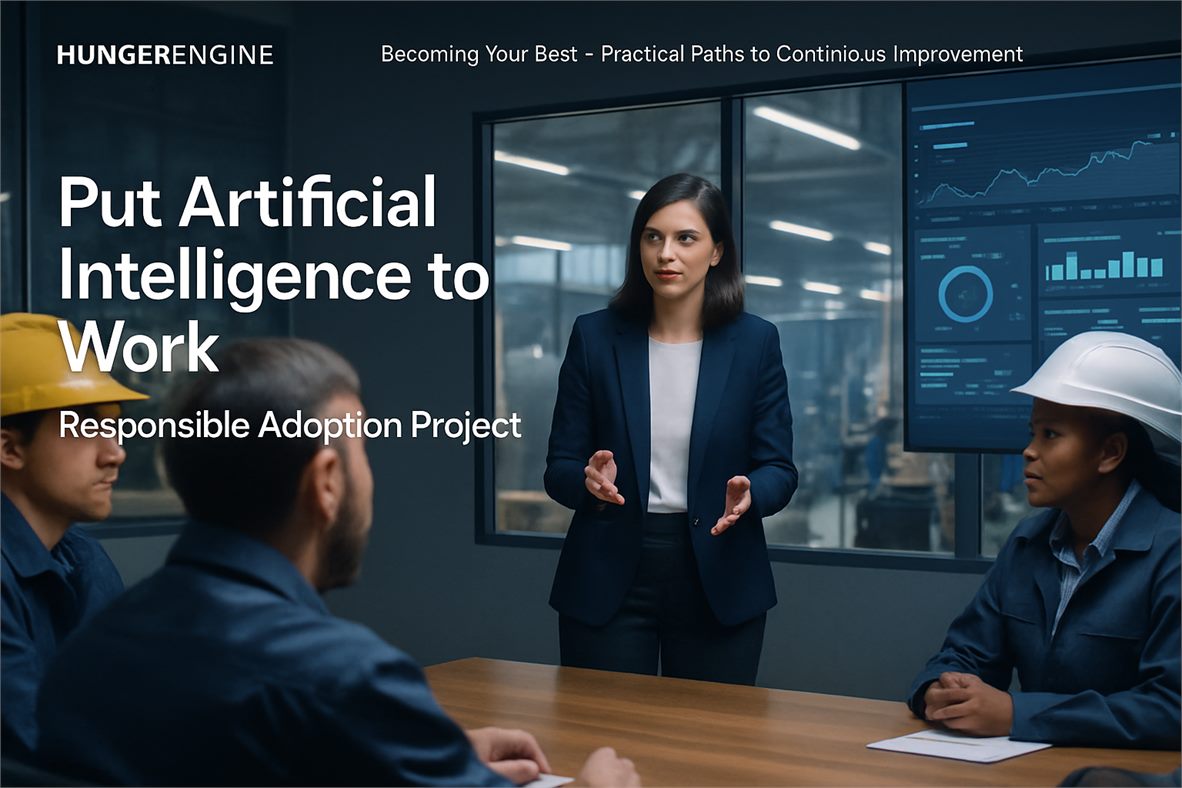
Put Artificial Intelligence to Work — Responsible Adoption Project
A practical, collaborative project template for finding high‑value, low‑risk AI pilots, testing feasibility, and creating responsible adoption plans.
Run a Responsible AI Pilot — Project Template & Playbook. Running a responsible AI pilot is a sequence of focused activities with clear decision points. This guide walks through the practical steps, roles, and artifacts you’ll need to test an AI idea safely and learn quickly. 1) Assemble a small, cross-functional...
Interactive Tool
Explore this interactive audit, assessment, reflection, or practical tool. Sign in to save your responses and return to them later.
Responsible AI Guardrails — Quick Checklist. Apply this checklist before any live exposure. Ticking these boxes doesn’t guarantee safety, but it significantly lowers risk and clarifies remaining work. Clear purpose and owner. A named owner and a measurable value hypothesis are documented. Minimal scope and human...
Measurement & Huddle Plan for AI Pilots. AI pilots succeed or fail based on how you measure both benefit and harm. Tie pilot metrics into an existing huddle or create a short, focused review rhythm. Core measurement mix. Primary outcome metric: The metric from your value hypothesis (e.g., reduction in handling time...
Mini Case: Community Clinic — Automating Intake Triage. A small community clinic wanted to reduce patient intake delays. The team suspected that a triage-assistant could route routine requests to self-service and flag urgent cases for staff. Approach. They used the Pilot Intake Canvas to capture the hypothesis: "If we...